Your eyes work hard every day. From checking your phone in the morning to working on a computer, driving, reading, and watching television, modern life demands almost constant visual attention. It is therefore common to notice tired eyes, difficulty focusing, or occasional blurry vision. However, weak eyesight is a broad everyday term rather than a specific medical diagnosis, and the reason for changing vision can be different for each person.
Understanding what may be affecting your eyesight is the first step toward better eye care. Refractive errors, age-related changes, dry eyes, prolonged screen use, lifestyle factors, and certain eye conditions can all contribute to changes in vision. The good news is that several practical habits can help support healthy eyes and comfortable vision.
What Does Weak Eyesight Mean?
People commonly use "weak eyesight" to describe vision that seems less clear than it used to be. This might mean difficulty seeing objects in the distance, trouble reading small text, blurry vision after using a screen, or needing more light to see comfortably.
In many cases, reduced clarity is related to a refractive error, such as nearsightedness, farsightedness, or astigmatism. These conditions affect how light is focused inside the eye and can usually be identified during an eye examination.
Age can also influence vision. Presbyopia, for example, is a normal age-related change that makes it harder to focus on nearby objects and commonly becomes noticeable after age 40.
Common Signs of Weak Eyesight
The symptoms associated with changing vision can vary considerably. Some people notice gradual changes, while others experience discomfort after specific activities such as reading or extended screen use. Common signs include:
- Blurred or hazy vision
- Difficulty seeing distant objects
- Trouble reading small print
- Frequent squinting
- Eye fatigue
- Headaches after visual tasks
- Difficulty focusing
- Increased sensitivity to light
- Difficulty seeing clearly at night
- Dry or uncomfortable eyes
These symptoms do not necessarily mean that your eyesight is permanently getting weaker. For example, digital eye strain can temporarily cause blurred vision, tired eyes, headaches, dryness, and difficulty focusing.
If symptoms continue or become worse, an eye examination is the best way to determine what is actually causing them.
What Causes Weak Eyesight?
There isn't one single cause of weak eyesight. Vision changes can result from normal aging, genetics, refractive errors, lifestyle factors, or underlying eye problems.
1. Refractive Errors
Nearsightedness, farsightedness, and astigmatism are among the most common reasons people experience blurred vision. These conditions affect the way the eye focuses incoming light. Glasses, contact lenses, or other appropriate treatments can improve vision when a refractive error is responsible.
2. Age-Related Changes
Eyes naturally change as we get older. Presbyopia can make close-up activities such as reading, using a phone, or working with small text increasingly difficult. Other age-related eye conditions can also affect vision, which is why regular eye examinations become increasingly important with age.
3. Digital Eye Strain
Long periods of computer, smartphone, or tablet use can place considerable demands on your visual system. When concentrating on a screen, people may blink less frequently, which can contribute to dry and uncomfortable eyes. Digital eye strain may cause temporary blurry vision, eye fatigue, headaches, dryness, and difficulty focusing.
4. Dry Eyes
Healthy tears help maintain a smooth surface on the eye. When the eyes don't produce enough tears or tears evaporate too quickly, vision can become temporarily blurry or uncomfortable. Screen use, dry environments, air conditioning, and certain medications can contribute to dry-eye symptoms.
5. Lifestyle and Nutrition
Your overall health can influence your eyes. A balanced diet provides nutrients needed for normal body and eye function, while healthy sleep habits, physical activity, and protection from excessive sunlight contribute to general wellness. Nutrition alone cannot correct every vision problem, but maintaining a nutrient-rich diet is an important part of a comprehensive approach to eye health.
Can Screen Time Make Eyesight Worse?
This is one of the most common concerns among people who work online. Spending hours in front of a screen can contribute to digital eye strain, but temporary eye strain should not automatically be interpreted as permanent vision loss. The symptoms often result from prolonged close-up focusing, reduced blinking, glare, poor workstation setup, or insufficient breaks.
If your eyes regularly feel tired after using a computer, consider changing your daily habits rather than simply pushing through the discomfort.
7 Ways to Support Better Vision and Eye Health
1. Use the 20-20-20 Rule
When working on a screen, take regular visual breaks. One commonly recommended approach is the 20-20-20 rule: approximately every 20 minutes, look at something about 20 feet away for at least 20 seconds. This gives your eyes a short break from continuous close-up focusing and can help manage digital eye strain.
2. Adjust Your Screen Setup
Your computer doesn't need to be the brightest object in the room. Reduce glare, adjust brightness to a comfortable level, and position the monitor so you aren't constantly looking upward or downward. A comfortable workstation can make long periods of computer work easier on your eyes.
3. Blink More Often
People often blink less while concentrating on digital content. Making a conscious effort to blink regularly can help maintain the eye's natural tear film and improve comfort. If you experience persistent dryness, burning, or irritation, speak with an eye-care professional about appropriate treatment.
4. Eat for Overall Eye Health
A balanced diet containing vegetables, fruits, whole grains, fish, nuts, and other nutrient-rich foods provides a variety of vitamins, minerals, and other compounds important for overall health. Instead of relying on one "vision food," focus on dietary variety and consistency.
Want extra nutritional support alongside these daily habits?
See OptiPlax Ingredients & Pricing5. Protect Your Eyes From Excessive Sun Exposure
Long-term exposure to ultraviolet radiation can affect eye health. When appropriate, wear sunglasses that provide UV protection and use other sensible sun-protection habits.
6. Get Enough Sleep
Your eyes also benefit from adequate rest. Poor sleep can leave your eyes feeling tired, dry, and uncomfortable, particularly when combined with long hours of screen use.
7. Schedule Regular Eye Examinations
One of the most important steps you can take is getting your eyes checked regularly. An eye examination can identify refractive errors and help detect certain eye problems before they significantly affect everyday vision. If your prescription has changed, updating your glasses or contact lenses may make a much bigger difference than trying an unproven home remedy.
Can an Eye Health Supplement Help?
Nutrition is an important part of maintaining overall wellness, which is why some adults choose an eye health supplement as an addition to their daily routine.
A supplement should be viewed as nutritional support — not as a replacement for an eye examination, corrective lenses, or medical treatment. It also should not be promoted as a way to cure or reverse an underlying eye condition.
For people specifically looking for nutritional vision support, OptiPlax is formulated with marine-derived nutrients and antioxidant ingredients intended to complement a healthy eye-care routine.
OptiPlax for Daily Vision Support
OptiPlax is a natural vision support supplement designed for adults who want to provide additional nutritional support for their eyes. Its formula features marine-based ingredients and antioxidants that are intended to support overall eye wellness and visual comfort.
If you're considering OptiPlax, look carefully at its ingredient information, recommended use, pricing, and satisfaction guarantee before making a purchase. It makes more sense to evaluate a supplement as part of your overall eye-health routine rather than expecting it to replace professional vision care.
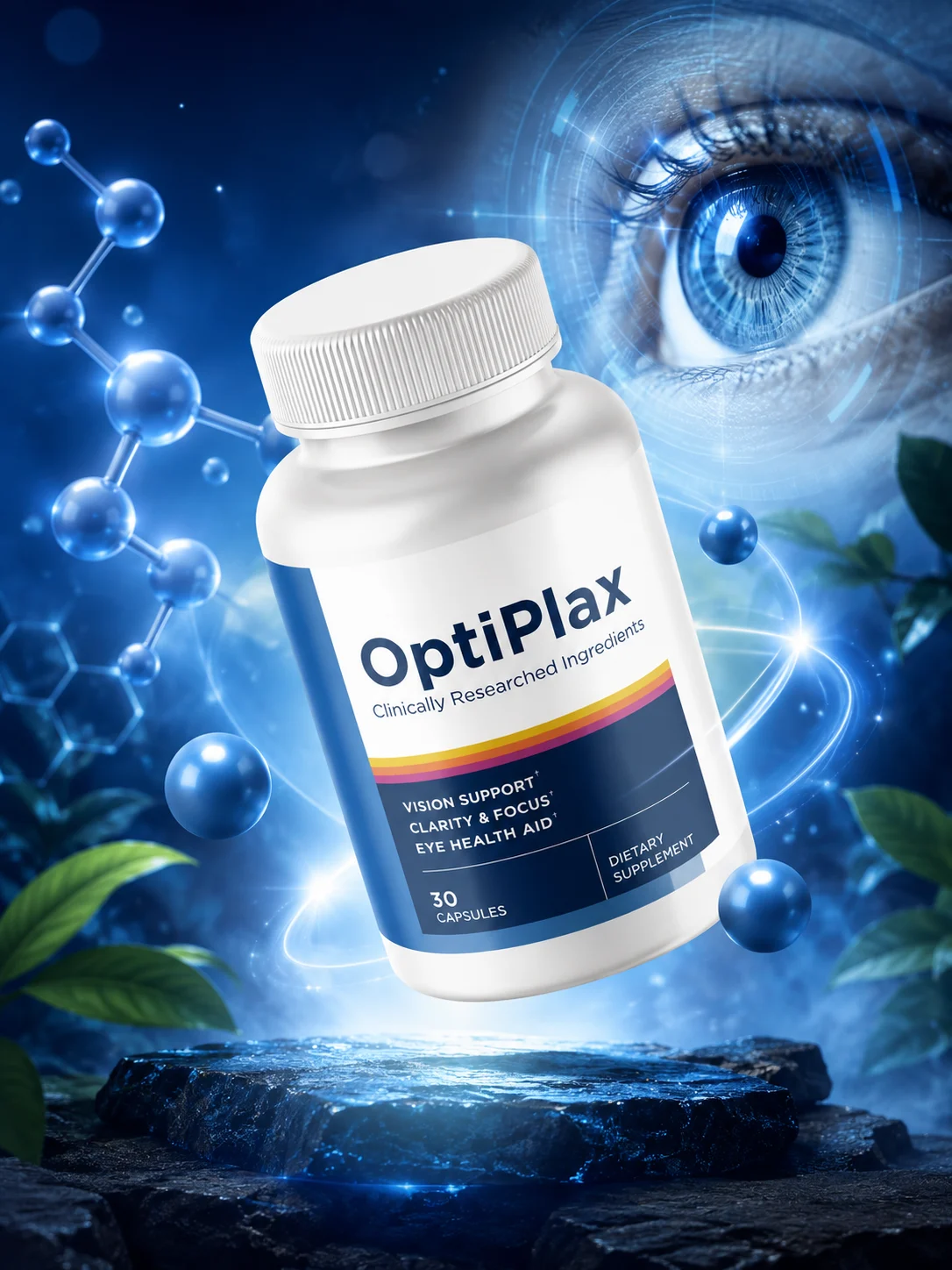
OptiPlax — Marine-Based Eye Health Support
Astaxanthin, kelp, wakame, chlorella & Ecklonia cava. One capsule daily. 60-day money-back guarantee.
See full ingredient breakdown →When Should You See an Eye Doctor?
Not every episode of blurry vision is an emergency, but persistent or unexplained changes should not be ignored. Consider scheduling an eye examination if:
- Your vision has gradually become less clear
- You frequently experience blurred vision
- You struggle to read or see objects clearly
- Eye strain continues despite taking breaks
- Your glasses or contact lenses no longer seem effective
- You experience persistent eye dryness or discomfort
The Bottom Line
Weak eyesight can mean different things to different people. Sometimes blurry or tired eyes are related to screen use or dryness; in other cases, a refractive error, age-related change, or another eye condition may be responsible.
The most practical approach is to combine good screen habits, regular breaks, balanced nutrition, adequate sleep, UV protection, and routine eye examinations. These simple habits can form the foundation of a long-term eye-care routine.
For adults interested in additional nutritional support, OptiPlax offers a convenient option to consider alongside these healthy habits. It should be viewed as a supplement for overall eye wellness rather than a treatment for vision disorders.
Most importantly, don't ignore persistent or sudden changes in your eyesight. Clear vision starts with understanding what's affecting your eyes and taking the right steps to care for them.
Ready to add nutritional eye support to your daily routine?
Try OptiPlax TodayRelated reading: Blurred Vision and Eye Strain? Simple Ways to Support Healthy Eyes